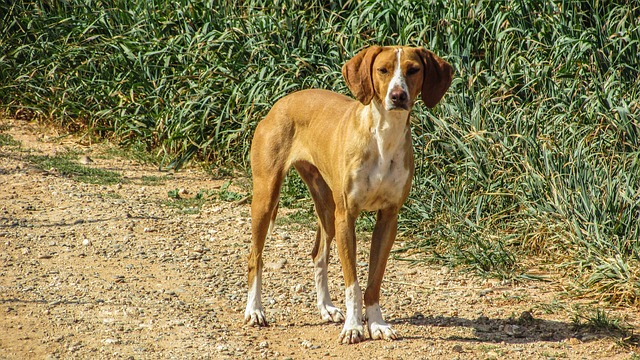
When you see an animal loose and apparently all alone, what do you do? Do you immediately stop to help, or do you drive off and hope that its owner is close by? If you are like me, you instinctively have the urge to see if you can help in some way. Although the safest method is often to call for backup (animal control, for example), here are some tips on what you can do if you find a stray while you’re alone and want to try to help out.
- First, if you are driving, find a safe place to park. You don’t want to cause an accident while trying to save an animal. Make sure you look in all of your mirrors and blind spots before pulling over and do not stop in the middle of the street. Turn off your car and put the hazard lights on.
- Remember that a frightened and potentially sick or injured animal can behave unpredictably. Be cautious and expect that any move that you make can potentially spook the animal, causing him to run or hide. If at any point the animal looks or acts threatening, or if you feel uneasy about the situation, stay a safe distance away, or go back to your car and call for help. Your local shelter or veterinarians office should be able to help.
- If the animal is quiet enough for you to approach, speak calmly and make sure the animal can see you at all times as you get closer. Try to entice the animal to come to you (food may help) rather than approaching it directly.
- Ideally, try to coax the animal directly into your car. Do not corner the animal or attempt to grab him suddenly, as this may make him panic and try to bite.
- Call for backup. Call either the police department or your local animal control center, and report the situation. They will come out to help.
- Scan for a microchip. Any vet or animal shelter should have a scanner. If the pet is microchipped, that is the fastest way to locate his owners. (For more info about microchipping, check out our Chip Your Pet! post).
- Take the animal to a safe place. This may be the local shelter (which is often the first place a worried owner will look), or some people opt to take the animal home until its owner is located. Just be extra careful, as there is no way of knowing how the animal may react to other people, pets, or a strange, new environment.
- Post signs around the area where you found the animal as well as on local social media to raise awareness that the animal is safe and is looking for its home. If you turned the animal into the shelter, it is ok to check in periodically or leave your contact information in case the owner is not located right away.

We all want pets to be returned to their homes as quickly and safely as possible. By following these steps, you can help make sure a lost pet is reunited with his family without endangering either of you. Just remember, if the animal is growling or looks angry, its best to call in the professionals.


