Showing posts with label toxin. Show all posts

Tuesday, October 25, 2016

Halloween Safety

Happy HOWL-oween!

Halloween is a time for everyone to have a little fun, and that includes our four-legged family members :) Whether you prefer dressing up or passing out candy, here are some potential dangers to keep in mind as you celebrate this spook-tacular holiday with your pets.


Candy: Candy may taste delicious, but never share any with your pets. Most people know that chocolate is very dangerous, as it can cause everything from vomiting and diarrhea to rapid breathing, increased heart rate, and neurologic problems. However, even non-chocolate treats can be harmful, especially if they contain the artificial sweetener xylitol. Even a small amount of xylitol can cause a sudden drop in blood sugar, loss of coordination, and seizures.


Never Leave pets outside alone around Halloween: Mischief-loving children and younger adults sometimes use the Halloween season as an excuse to tease, steal, or injure pets. It might sound crazy, but people do this. Please make sure that if your pet is out on Halloween night, you are out there with them and keeping a watchful eye at all times.


Beware of Halloween plants: Pumpkins and corn may technically be nontoxic, but they can cause gastrointestinal upset if pets ingest them in large quantities. Intestinal blockage can also occur from swallowing large pieces, such as a partial ear of corn.


Keep pets confined and away from the door: In the excitement of giving out candy to trick-or-treaters, it is easy for your pet to get spooked or run out unnoticed through the constantly opening and closing door. Your best bet is to keep your pets in a secure area away from the door. Be aware that some pets may also get anxious or territorial from all of the unexpected excitement.


Lit pumpkins: Be extra cautious if you have pumpkins that are lit with candles. Pets can easily and accidentally knock over a jack-o-lantern, which could result in fire or other injury.


Pet Costumes: Who doesn't love a pet in costume? If you choose to dress your pet up for the holiday, be sure to pick one that is the correct size so the costume is not restricting your pet's movement, hearing, or breathing. Also be aware of any loose pieces that may provide a tripping (or chewing!) hazard.


Try on costumes ahead of time: It's best to do a trial run before the big night. That way, you can make sure your pet is comfortable in the costume and can move without restriction. You also want to make sure he isn’t allergic to the fabric as well. Plus, a comfortable pet takes much cuter photos :)


Pet ID’s: Make sure your pet is wearing appropriate (and up to date!) identification before Halloween night. That way, if Fluffy unexpectedly dashes out the door or Fido slips his leash while trick-or-treating, you have a much better chance of getting them back.


Have a safe and hauntingly good time!


Monday, September 26, 2016

Hello Autumn!

Autumn is finally here!

Many of us welcome the changing leaf colors, cooler temperatures, and pumpkin-flavored, well, everything. It is a sign that the fall season is finally here! However, there are a few hazards pet owners should keep in mind:


Ticks: Although tick populations tend to dwindle over the summer months, they will often crop up again during the fall. Ticks like to live in long grass and wooded areas. Use a comb to check your animal for ticks every time he goes outside, and don't skimp on the preventative just because the weather is getting cooler. Deer ticks are still out there and can spread Lyme disease, which can be just as much of a danger to you as it is for your pet. We recommend continuing to use flea/tick preventative throughout the fall and, ideally, year-round.


Temperature: Fall is an interesting time for pet care. Depending on where you live, you may have to worry about everything from heatstroke to frostbite (although hopefully not back-to-back!). In general, make sure that your pet has plenty of access to water both outside and inside throughout the fall season so he can regulate his intake as needed. Just because the weather might have gotten cooler, it does not mean that your pet has a decreased need for proper hydration.

Halloween: Everyone loves a pet in costume! But be sure to keep your pet's fun and safety in mind. Some costumes can impair your pet's motion or hearing, and others have small pieces that could be choking hazards. After trick-or-treating, make sure that candy is stored out of your pet's reach, perhaps into a cabinet. Candy smells and tastes delicious! But it can be very dangerous for pets.


Grooming: Many pets will shed their summer coats at the beginning of fall. Regular brushing for those with long hair will prevent serious matting, and pets with shorter hair will appreciate a good brushing to help remove remaining summer hair. If you cannot commit to regular coat care, talk to your veterinarian or groomer about clipping or shaving options that are appropriate for the weather.


Mushrooms and seasonal plants: Fall is mushroom and mum season, both of which can be toxic! Luckily, most mushrooms have little or no toxicity. However, some mushrooms can present life threatening problems, and it is often difficult for an untrained eye to pick out which is which. Mums also may appear benign, but they can cause stumbling, skin inflammation, increased salivation, vomiting, and diarrhea if ingested. The best way to prevent ingestion of potentially dangerous plants is to keep pets well away from any mushrooms or mums. If you think that your pet has eaten a mushroom or a mum plant, call your veterinarian or animal poison control for advice. 


Watch out for Wildlife: Autumn is the season when snakes and other animals prepare for hibernation. This can increase the possibility of bites to your pets. Although there are no native venomous snakes in Rhode Island, timber rattlers and copperheads can still be found in nearby Connecticut and Massachusetts. And it’s not only snakes that you need to be aware of. Mice, rats, and other creatures may startle more easily as they are trying to bed down for the winter. As always, it never hurts to call your veterinarian if you have any concerns about a potential bite.


School Supplies: Remind your children to be careful with their supplies! Items like glue sticks, pencils, and magic markers are generally considered to have low toxicity, but pets may mistake them for chew tows and they can cause gastrointestinal upset and blockages if ingested.


Monday, March 14, 2016

Top Poisons of 2015


Top 10 Poisons Affecting Dogs and Cats

As reported by Dr. Justine Lee (Animal Safety, Blog, Pet Health) and the ASPCA Animal Poison Control Center


Some of the most common pet poisons may surprise you! Here's a quick list of the top ten culprits of 2015 according to the ASPCA's Animal Poison Control Center (APCC). You can find more information on all of these, as well as over 275 additional toxins, by visiting the APCC website at www.aspca.org/apcc.
    http://images.freeimages.com/images/previews/95e/pills-1422509.jpg
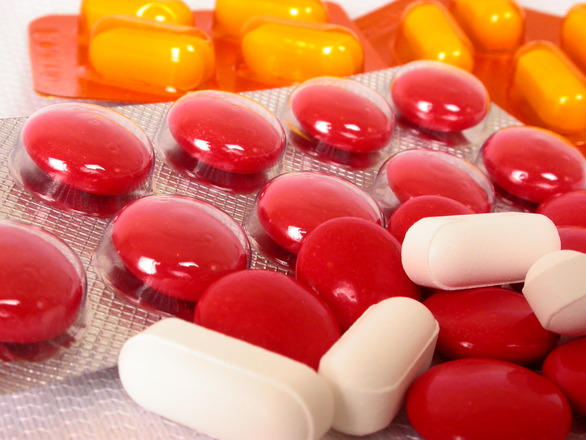
    1. Over-the-counter medications
    For the first time ever, over-the-counter medication topped the APCC list with more than 28,500 cases! That's nearly 16% of all APCC calls. There are over 7,000 different products in this category, including many herbal and other natural supplements. 
     
     2. Human prescription medications
    Previously the number one pet poison, prescription human medications fell to the second spot on the list last year. Not surprisingly, the prescriptions that were most commonly ingested by pets correlates strongly with the most popular medications prescribed to humans.
    http://images.freeimages.com/images/previews/0e7/cockroach-corpse-1336123.jpg
    3. Insecticides
    Insect poisons accounted for nearly 9 percent of the calls to APCC (more than 15,000 cases) and come in at 3rd on the list. Although generally these products have relatively low toxicity to pets when used correctly, they can be very dangerous if label directions are not carefully followed.


    4. Human foods
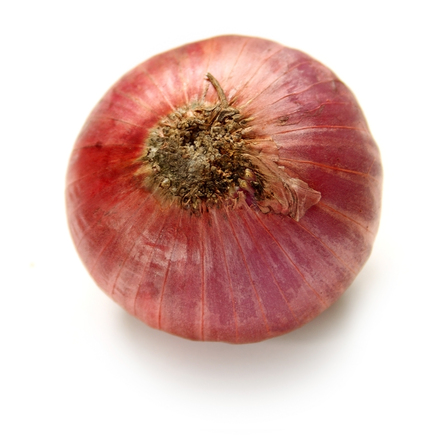
    There are a number of seemingly harmless human foods that can be quite toxic to pets. Some of the biggest culprits include onions, garlic, grapes, raisins, alcohol, and xylitol, a sugar substitute that can be life-threatening for animals. Since dogs tend to ingest human foods much more often than cats, they are often the most commonly afflicted with human food toxicity. 
    http://images.freeimages.com/images/previews/e17/red-onion-1320148.jpg

    5. Household items
    Products found around the home made up more than 14,000 APCC cases in 2015. The most common items for this category include cleaning products, fire logs, and paint.
    6. Veterinary medications 
    Overdoses of veterinary medications - especially the chewable kind, which taste especially good - made up nearly 7 percent of all APCC cases in 2015.
    http://images.freeimages.com/images/previews/427/chocolate-1326151.jpg
    7. Chocolate
    Chocolate continues be very dangerous for pets, averaging over 30 cases a day according to calls made to the APCC. The darker the chocolate, the more dangerous it can be, especially for smaller dogs and cats.
    8. Plants
    Indoor and outdoor plants represented nearly 5 percent of the calls to the APCC in 2015. Most of these calls involve cats and houseplants, such as lilies or philodendron. Be sure to understand the toxicity of plants before putting them in or around your house.

    http://images.freeimages.com/images/previews/d6f/thief-1380162.jpg
    9. Rodenticides
    Rodent poisons can be just as toxic to pets as they are to the mice and rats these products are designed to kill. Last year, the APCC handled more than 8,100 cases involving rodenticides.
    10. Lawn and garden products.
    These products, which include herbicides and fungicides, round out the top ten with about 3 percent of all APCC calls. It’s incredibly important to store lawn and garden products out of the reach of pets.


    If you think your pet may have ingested something toxic, call your veterinarian or the ASPCA 24-hr poison control hotline (1-888-426-4435) right away.


    Saturday, October 11, 2014

    Common Pet Poisons

    Fall is a beautiful time of year, but it can also bring about new household and environmental toxins to consider. The following list contains some of the more common fall toxins that can pose serious problems if ingested by our pets:
    • Mushrooms - Certain types can be very dangerous. One of the most dangerous is the Amanita phalloides, which is found throughout the US. Symptoms of mushroom ingestion can include vomiting, diarrhea, abdominal pain, tremors, seizures, depression and even organ damage. Please try to keep your yard free of mushrooms.
    • Mothballs -  Mothballs typically contain either paradichlorobenzene or naphthalene. Symptoms of ingestion can include vomiting, severe abdominal pain, tremors, weakness, organ failure or even problems with red blood cells.
    • Antifreeze -  As little as one teaspoon for a cat or a tablespoon or two for dogs can be fatal. Signs of early poisoning include acting drunk, excessive thirst, and lethargy. While these signs start to resolve in hours, the internal damage to the kidneys is occurring and can be fatal. Immediate treatment is important.
    • Mouse and Rat Poisons (Rodenticides) -  Mouse and Rat poisons pose a threat not only if your pet directly ingests the bait, but also if your pet is exposed to a large number of dead mice that have eaten the bait. Newer poisons are largely neurotoxins and are extremely dangerous. There is no effective treatment. The best course of action is to prevent exposure by securing any bait away from your pets and keeping them away from any potentially affected mice and rats.
    • Compost bins or piles - These can have molding food products that contain tremorgenic mycotoxins, which cause seizures. 
    • Red maple leaves -  A seemingly innocent leaf, the red maple can result in hemolytic anemia in dogs and cats if eaten, and it is a serious concern for horses as well. 

    Two important resources are :
    1. ASPCA Poison Control Center open 24 hours a day, 365 days a week.  (888) 426-4435.
    2. Pet Poison Help Line open 24 hours a day.  (800) 213-6680.  Poison Helpline also now has an iPhone app “Pet Poison Help”.
    For only $1.99, Pet Poison Help will provide you with:
    • Life-saving access to poison information with one-touch direct dialing to Pet Poison Helpline.
    • A searchable database of over 250 poisonous plants, foods, medications and household items, all with pictures.
    • Descriptions of how specific poisons affect your pet, their alternate common names, and symptoms to watch for.
    • Instructions on what to do if your dog or cat is exposed to a dangerous substance.
    • Constant access to poison information –  even when you don’t have Internet access